


A practical guide to the legal, financial, and human decisions that come with an inherited home.
A house doesn't come with instructions when you inherit it.
It may come with decades of belongings, unfinished repairs, a mortgage, or family members who have different ideas about what should happen next. And with it comes a long list of questions you may never have had to answer. Where do you begin? Who actually owns the property? What needs to happen before you can sell it?
Part of what makes this hard is that two very different jobs arrive at once. One is grief, which keeps no schedule. The other is administration, which keeps a strict one. We tend to feel we should be good at both at the same moment. Almost no one is.
Fortunately, there's a sensible order to the process. Knowing it can save you time, money, and a good deal of stress.
If you read nothing else: call the homeowners insurer this week, keep the utilities on, and don't sign anything with a buyer until you know who has the legal authority to sell.
I'm a real estate agent, not an attorney or tax advisor. Use this as a map, and confirm the legal and tax details for your situation with the right professional.
1. Find out who owns it, and who can sell it
Inheriting a house and having the legal authority to sell it are not always the same thing.
Before making plans, find out how the property was titled. That decides who owns it now, whether probate is needed, and who can make decisions. In Virginia, ownership passes directly to people at death, not to "the estate".
Start with the most recent recorded deed, available through the circuit court land records in the Virginia city or county where the property is located.
The common possibilities:
The house was owned solely by the person who died. In Virginia, real estate generally passes to the beneficiaries named in a will or, if there is no will, to the heirs determined by state law. Estate administration, creditor claims, and the executor's powers may still affect how it can be sold.
It was owned jointly with a right of survivorship. Ownership generally transfers automatically to the surviving owner. Married couples who hold property as tenants by the entirety typically fall into this category.
It was owned as tenants in common. The deceased person's share passes to their beneficiaries or heirs, not automatically to the other co-owner.
It was held in a trust. A successor trustee may have authority to manage or sell the property under the trust's terms, generally without probate.
There was a transfer on death deed. Virginia allows owners to name beneficiaries who receive the property at death outside the ordinary probate process.
A real estate attorney or title company can help you read the deed and confirm who has authority to act. This is a good place for professional guidance rather than assumptions.
If ownership is unclear, or you anticipate selling, consider asking a local settlement company to order a title search. It shows how title is held and anything attached to the house, such as a mortgage, a home equity line, a reverse mortgage, a judgment, or unpaid taxes. Better to learn it in month one than at the closing table.
2. Protect the house before doing anything else
While you work through the legal questions, the house still needs attention. An empty house is more fragile than an occupied one. Nobody hears the drip, smells the damp, or notices the furnace has quietly given up. The legal process can take weeks to start. The house can't wait that long.
Call the insurer. This is the step people miss most. Many standard homeowners policies limit or exclude coverage once a home has been empty for a set period, often 30 to 60 consecutive days. Tell them the owner has died and the house is unoccupied. Ask: "Do I need a vacancy endorsement or a vacant-home policy?" Expect it to cost more. Keep coverage in place through closing.
Keep the utilities on. Transfer the accounts; don't cancel them. Heat protects the pipes, power runs the sump pump, and inspectors need working systems. Forward the mail.
Identify ongoing expenses. Mortgage, insurance, real estate taxes, HOA or condo fees. With an executor in place, these are normally paid from estate funds. If you're covering them yourself for now, keep every receipt.
Secure it. Rekey the locks, find out who else has a key, and put a few lights on timers.
Visit weekly, and document the condition. A small leak caught in week one is a repair; caught in week five, it can be a remediation project. Photograph the rooms, the exterior, and any visible damage before belongings are removed or repairs begin.
Coordinate all of this with whoever is handling the estate, so two people aren't paying the same bill, or nobody is.

3. Is there a will? And who gets to decide?
One of the more surprising parts of inheriting a house is that the person who receives it may not be the person authorized to manage the estate. You can be an owner without being the one who signs.
Probate sounds like a courtroom drama. In Virginia, it's mostly an appointment at the circuit court clerk's office, a stack of forms, and a modest fee. If the house passed through a trust, survivorship, or a transfer on death deed, you may be able to skip much of this section.
Find the original will. Look among important papers, in a safe or fireproof box, in a safe deposit box, and with the attorney who drafted it. In some localities, a will may also have been lodged with the circuit court clerk for safekeeping; after death, the clerk releases it to the person entitled to offer it for probate. The court needs the original, not a copy.
If there's a will, the named executor presents it to the probate office of the circuit court clerk where the person lived and, when needed, formally qualifies to administer the estate. Probate is also what puts the beneficiaries' ownership on the public record.
If there's no will, Virginia's intestacy laws decide who inherits. Depending on the family, that may be a surviving spouse, children, or other relatives. A list of heirs or a real estate affidavit is recorded with the clerk to show who now owns the house. These lists are often incomplete, so title companies may also ask two people to sign affidavits confirming the family relationships.
An important distinction: being named executor doesn't automatically give someone unlimited authority to sell the house. The deed, the will's wording, Virginia law, and any required court proceedings together decide who can sign a contract and transfer title (see step 1).
What to expect as an heir:
The clerk wants every heir's name and address, even when there's a will, because heirs under the law and beneficiaries under a will aren't always the same people.
You should get written notice within 30 days of the executor or administrator qualifying.
Aim to start within a month. There's no fixed deadline, but one Virginia clerk's office recommends beginning within 30 days.
Probate tax is based on the probate estate, not the house alone. Virginia's rate is $1 per $1,000 for estates over $15,000, plus a local tax of up to one-third of that, figured from the probate tax return. Property passing outside probate isn't counted. Recording only a list of heirs carries a $25 state fee instead, plus any local fee. Ask the clerk how your case will be figured.
Out-of-state executors need a Virginia partner: a resident to co-qualify or serve as resident agent, plus a bond with surety.
4. When to call an attorney
Some families get through Virginia probate without a lawyer. Here's a simple test: if any of these are true, an estate attorney is likely to save you more than they cost.
There's no will, or it's old, unclear, or handwritten.
There are several heirs, especially in different states or with different plans for the house.
The will gives no one the power to sell.
There are significant debts, medical bills, or a reverse mortgage.
A surviving spouse or children from more than one marriage are involved.
You want to turn down your share. A disclaimer is a written filing with the clerk, generally within nine months of the death.
The heirs can't agree. The last resort is a partition suit, where a court decides.
A trust is involved and its terms are unclear.
An attorney can clarify ownership, explain probate requirements, and help prevent mistakes that would delay a sale later.
One nuance people overlook: the estate's attorney generally works for the executor, not for each heir. If your interests differ from the executor's, consider getting your own advice. Ask any attorney for a fee estimate up front.

5. The belongings
A house is fairly easy to value. Its contents are another matter. There may be forty years of furniture, books, clothes, photographs, tools, and dishes, plus objects whose meaning was known only to the person who owned them. Some things have financial value, some sentimental value, and many have neither but still need someone to decide what happens to them. This is where practical decisions and family relationships tend to get tangled.
Before removing anything, confirm who legally owns the personal property. The contents don't necessarily pass to the same people who inherit the house.
Then go in stages:
Find what can't be replaced. Important documents, photographs, letters, jewelry, heirlooms, and financial records come first, before any cleanout.
Let family members say what matters to them. If several people are involved, agree on a process before anything is distributed. A little structure prevents a surprising amount of conflict.
Spot anything with resale value. Artwork, antiques, silver, jewelry, collectibles, and some furniture may be worth an appraisal or an estate sale professional's opinion.
Decide what to do with the rest:
Estate sale companies organize, price, advertise, and sell contents, usually for a commission or set fee.
Auction houses and antique dealers suit valuable collections or individual pieces.
Charities may take furniture, clothing, and household goods in usable condition.
Junk removal companies take what's left once valuable and reusable items are handled.
Professional organizers and estate cleanout services can run much of the process, especially when heirs live out of town.
One practical suggestion: don't start by renting a dumpster. Have someone knowledgeable look at the contents first. And if you plan to sell, talk with a real estate agent before removing all the furniture. Some pieces help a room show well; others make it feel smaller or dated.
The goal isn't to empty the house as fast as possible. It's to do it thoughtfully, efficiently, and with as few regrets as possible.
6. Keep it, rent it, or sell it?
Once you understand the legal and financial picture, you can answer the bigger question: what should happen to the house? There are three main options.
Keep the house
Perhaps you want to live there, it means a great deal to you, or you see it as a good long-term investment. That can make sense, but weigh the ongoing costs, the repairs it needs, and whether you actually want the responsibilities of owning it. If several people inherited it, you may need to negotiate a buyout or a written agreement about how it will be used and maintained.
Rent the house
Renting brings in income while you keep ownership. It also makes you a landlord, responsible for maintenance, tenants, insurance, and Virginia's rental laws. A house that hasn't been updated in decades may need real investment before it's ready for tenants. Run the numbers honestly, including vacancy, repairs, management fees, and surprises.
Sell the house
For many families, selling is the simplest resolution. Heirs can divide the proceeds, stop paying ongoing expenses, and move forward independently. But one question remains even after you decide to sell: how much should you put into the house first? That decision can change the outcome a great deal.
7. Should you renovate, refresh, or sell as-is?
Inherited homes often haven't been updated in years. The kitchen may be dated, the carpet worn, the maintenance deferred. The natural instinct is sometimes to fix everything.
But the goal isn't to make the house perfect. It's to make improvements that are worth more to buyers than they cost you.
There are three general approaches.
Option 1: Sell as-is
This can be right when the house needs extensive repairs, the family doesn't want to manage construction, or the property will appeal to a builder or investor. As-is doesn't have to mean cheap. A house can be marketed widely in its current condition, and buyers may value its location, lot, or potential. The tradeoff is that some buyers will lower their offers to cover the work they expect to do.
Option 2: Make selective improvements
For many homes, this works best. Fresh paint, a deep clean, refinished hardwood floors, better lighting, landscaping, and minor repairs change how buyers experience a house without a major renovation. They help buyers see what the house could be instead of what's wrong with it.
Option 3: Take on a larger renovation
Sometimes a bigger investment is justified. But renovation adds cost, time, and uncertainty, and not every dollar spent comes back in the sale price. Before you start, compare three numbers:
What the house would likely sell for today.
What it might sell for after improvements.
The full cost of those improvements, including carrying costs and the risk of delays.
The difference, not the renovated sale price alone, should guide the decision. That's why it helps to talk with an experienced agent before hiring contractors or committing to expensive work. Good preparation starts with understanding the market, not choosing paint colors.
Four questions to settle before any work starts:
Who can approve it? The executor, the trustee, or all the heirs, depending on step 1. Put decisions in writing when several people are involved.
Who pays, and how is it repaid? Estate funds, an advance from one heir, or an arrangement repaid at closing. Write down the terms.
Who will be on site? If you live out of state, someone local has to meet contractors and check the work.
Where do the receipts go? Keep every one. Improvements can matter for taxes (step 9).
How I handle the money question. The most common reason families sell as-is isn't that the house doesn't deserve the work. It's that no one has cash to spend before closing, or the heirs live too far away to manage it. On select listings, I solve both. I pay my own vetted contractors directly, usually small independent crews I've worked with for years, and I'm reimbursed from the sale proceeds at closing. I manage the work and the staging from start to finish, so heirs in another state never have to fly in to meet a plumber. Before anything starts, we agree in writing on the scope, the budget, and how repayment works, and the people with authority to sell sign off. It isn't right for every house. But it means the decision about what to fix can be made on the merits, not on who has money in the bank this month.
Recently I helped two siblings sell their childhood home in Reston. Both live in Colorado and wanted someone they trusted to handle everything. I walked through the house and recommended a few small updates that would make the biggest difference. Then I hired and supervised the contractors, arranged the staging, and brought it to market. It sold in one weekend.
In their words:
“Renata is amazing – the most hardworking and professional agent we’ve ever met. We are remote and Renata sold our home in Reston. She envisioned and organized the minimum work that needed to be done to get it ready for sale and basically GC’d the project, totally transparent on the financials and worked with multiple contractors while keeping us informed. She constantly went the extra mile whether helping clear snow, working with the HOA or returning the cable modem when we sold the home. And of course her eye for staging (and warehouse of furnishings) is incredible. Just can’t say enough about our experience.”
Here are some before and after shots of the home.
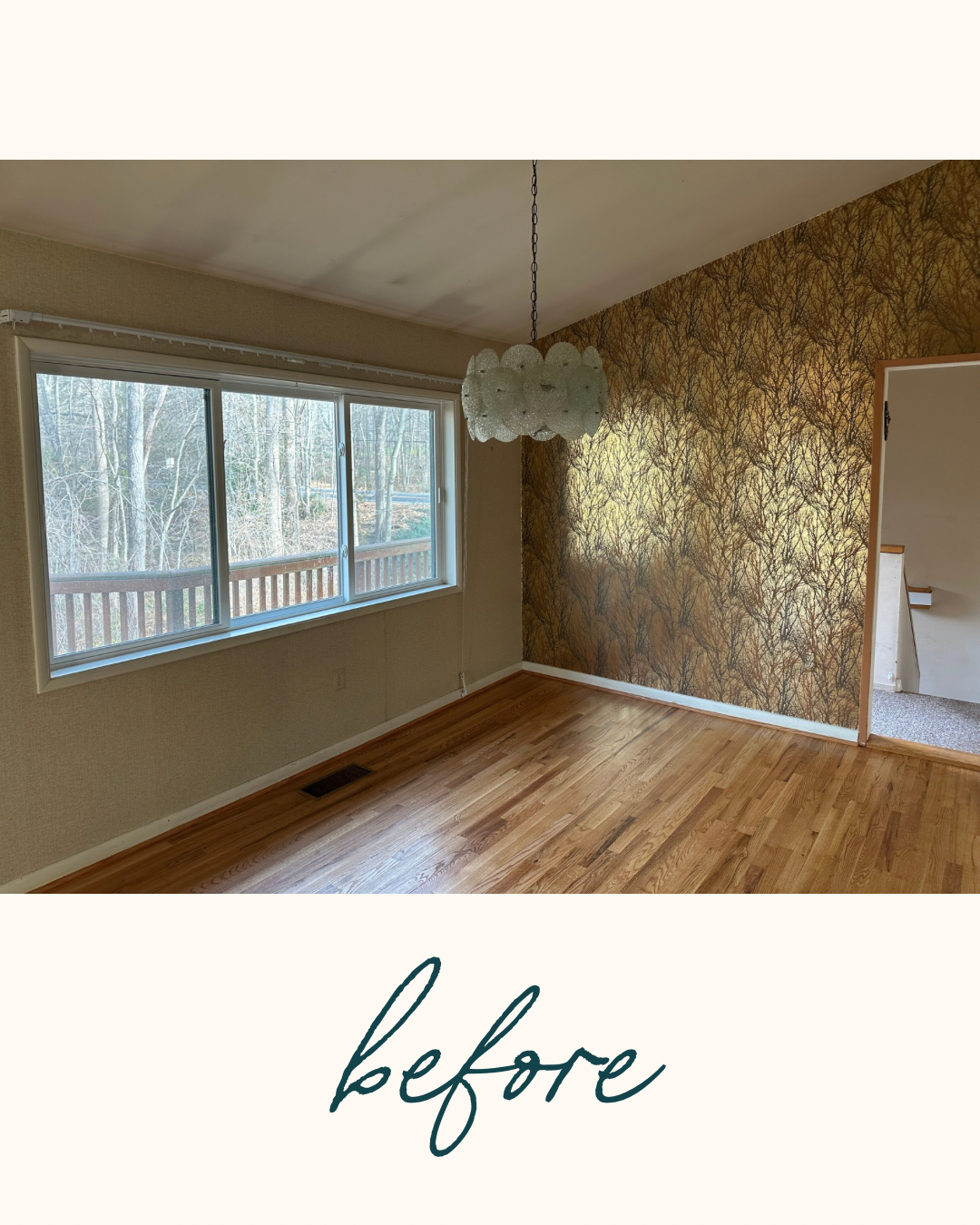

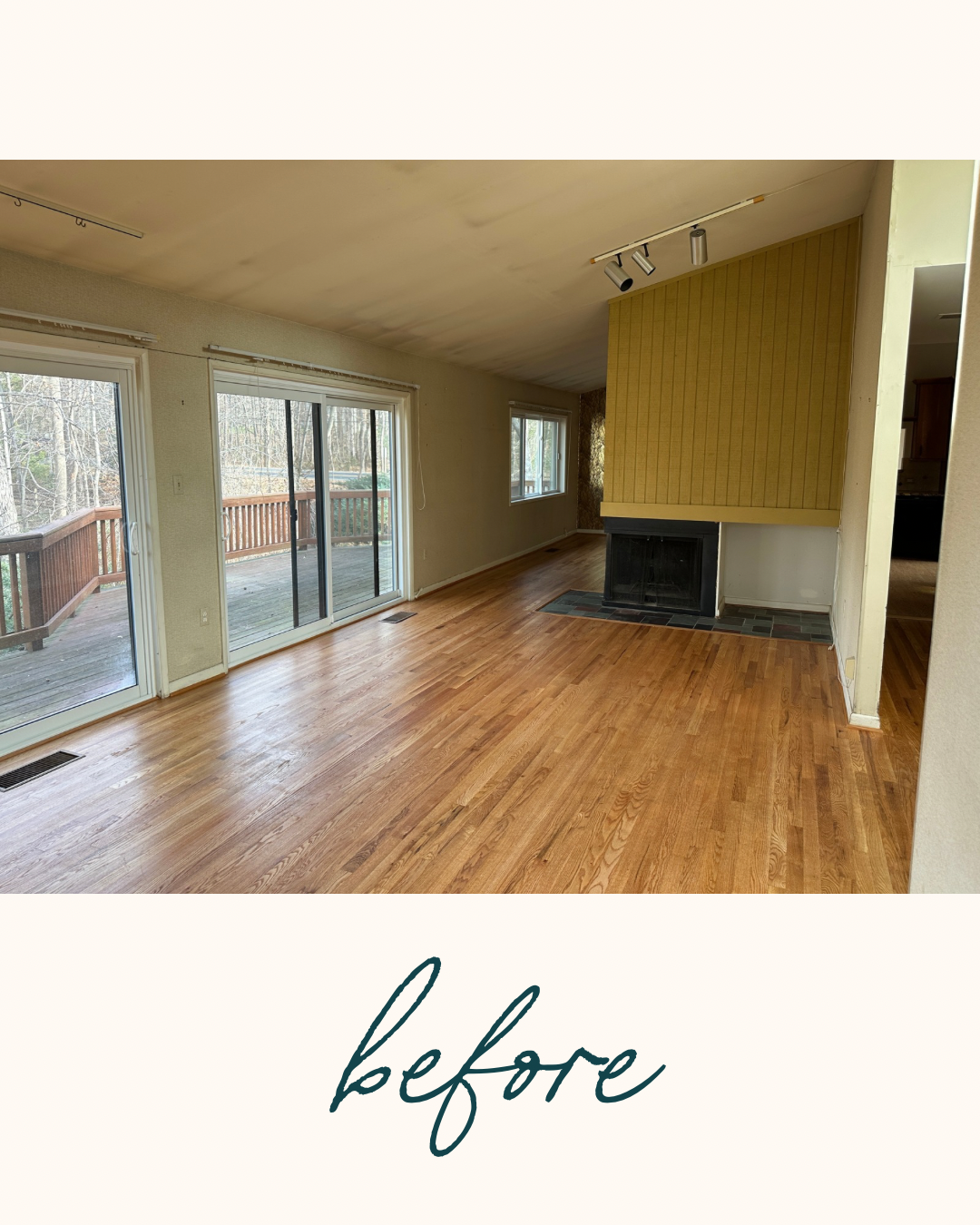



8. Selling within one year of death: a Virginia detail
Here's a detail that surprises many people.
Under Virginia Code § 64.2-534, inherited real estate can remain subject to certain claims by the deceased person's creditors. The law limits some sales by heirs or beneficiaries during the first year after death, with exceptions depending on the circumstances, including court-ordered sales.
This does not mean you must wait a year to sell. It does mean the settlement attorney and title insurer may need to address the creditor risk before closing. Depending on the transaction and the insurer's underwriting rules, that may mean holding proceeds in escrow, signing an indemnity agreement, or paying an additional title insurance premium.
For example, one major title insurer, Old Republic Title, publishes an extra-hazard premium of $2 per $1,000 of coverage, with a $250 minimum, for first-year estate sales, or alternatively requires the proceeds to be held in escrow. On a $750,000 sale, that premium would be $1,500.
This is not a universal Virginia surcharge. Requirements depend on the circumstances of the inheritance, the legal authority under which the house is sold, and the title insurer.
What to do
Ask your settlement attorney early:
Can the property be sold before the first anniversary of the death?
Are there unresolved creditor claims?
Will the sale require extra insurance, escrow, or other protections?
What would those cost?
Then compare the cost of selling now with the cost of waiting. Six more months of taxes, insurance, utilities, mortgage payments, and maintenance may cost far more than addressing the title issue. Waiting isn't necessarily required; understand your options first.
9. Will you owe taxes when you sell?
The tax side of inheriting a home is usually less intimidating than people expect.
Virginia doesn't impose its own estate tax and has no inheritance tax, although probate tax and estate administration costs may apply. Federal estate tax generally matters only for larger estates. For most people selling an inherited home, the real question is capital gains tax.
The step-up in basis
Under federal tax rules, inherited property generally receives a new tax basis equal to its fair market value at the date of death, with some exceptions.
An example: your parent bought a house years ago for $150,000. At the time of death, it was worth $700,000. You inherit it and sell it a few months later for $710,000. Instead of measuring the gain from the original $150,000, the calculation generally starts from the new $700,000 basis. Before adjustments and selling expenses, the potential gain is about $10,000.
That's why documenting the date-of-death value matters. Keep records of appraisals, improvements, and selling expenses, and talk with a tax professional before filing for the year of the sale.
10. When should you list the house?
There's no universal answer, and the calendar is only one factor. Before choosing a listing date, look at four things:
Legal readiness: Is ownership clear? Does the right person have authority to sign the contract and deed? Are any title or estate issues unresolved?
Physical readiness: Is the house clean, maintained, and prepared? Are necessary repairs done?
Financial readiness: Have you weighed preparation costs, carrying costs, and likely proceeds?
Market conditions: What are comparable homes selling for? How much competition is there? What are buyers responding to?
Spring traditionally brings strong buyer activity in Northern Virginia, but houses sell all year. Waiting for the ideal season isn't always the best financial decision. If the house costs several thousand dollars a month to carry, a delay needs a good reason.
The right time to list is when the legal requirements are met, the house is well prepared, and the benefits of waiting no longer outweigh the costs.
11. How long does it take?
It depends on how complicated the inheritance is and what shape the house is in. A house in a trust, with clear instructions and few belongings, may be ready to sell fairly quickly. Multiple heirs, title issues, a full house, or major repairs can add months.
Secure the property and contact the insurer: immediately
Establish ownership and legal authority: weeks to months
Review title, finances, and taxes: days to weeks
Sort belongings and arrange cleanout: days to months
Complete repairs and preparation: weeks to months
Market the property: depends on local conditions
Close after accepting an offer: often 30–45 days
These stages often overlap, and the house can usually be sold before the estate itself is fully settled, as long as the legal requirements are met. Settling the estate commonly takes six months to more than a year.
The best way to shorten the process isn't to rush. It's to spot the obstacles early and make decisions in the right order.
12. Who should be on your team?
You don't need to become an expert in probate, construction, taxes, and real estate all at once. Depending on your situation, you may want:
An estate attorney for ownership, the will, probate, and creditor questions.
A settlement attorney or title company for the title search and the legal transfer.
A tax professional for basis, capital gains, and reporting.
A real estate agent experienced with inherited homes for pricing, preparation, and the sale.
Estate sale and cleanout professionals for the belongings.
Not every situation needs every one of them. Knowing whom to call, and when, prevents a lot of unnecessary work.
One decision at a time
An inherited house is an unusual responsibility. It asks us to make practical decisions about something that may carry real emotional weight.
Family members often see the same house very differently. One remembers a childhood home. Another sees years of deferred maintenance. A third just wants the finances settled. None of them is necessarily being unreasonable. People can have very different relationships with the same place.
What helps is separating the emotional questions from the practical ones, without pretending either can be ignored. First, establish the facts. Protect the property. Understand its value and obligations. Decide what to do with the belongings. Then decide about the house itself.
You don't need every answer on the first day. You need a sensible first step, and then the next one. In time, what began as an unexpected responsibility can become a decision you feel confident about.
If you’ve inherited a house in Northern Virginia and aren’t sure what to do next, I’m glad to help. We can look at what the house is worth, walk through your options, and put together a practical plan. You don’t need to have anything figured out before we talk; often the most useful first step is simply understanding what you’re working with. And if you need any of the professionals mentioned here, I’m happy to share the people I trust. I’ve spent years building that list.

Your checklist
This week
Call the homeowners insurer: tell them the house is unoccupied and ask about vacancy coverage
Keep the utilities on and transfer the accounts
Forward the mail
Rekey the locks and find out who else has a key
Photograph every room, the exterior, and any damage
First month
Find the most recent recorded deed and learn how the house was titled
Find out who has legal authority to sell
Order a title search
Locate the original will, or confirm there isn't one
Make sure probate or the list of heirs is under way with the circuit court clerk
List ongoing expenses and agree who pays them
Decide whether you need an estate attorney
Check the house weekly
Before deciding what to do with the house
Confirm who owns the belongings
Set aside documents, photos, heirlooms, and valuables
Give family members a fair, structured chance to choose items
Have valuable items appraised
Decide: keep, rent, or sell
Before listing
Get a date-of-death value for the house
Compare as-is value, improved value, and the full cost of improvements
Agree in writing on who approves and pays for work
Talk to an agent before removing all the furniture
Ask the settlement attorney about first-year sale requirements
Check legal, physical, and financial readiness
Keep a folder for
Receipts for repairs, improvements, and expenses
Appraisals and the date-of-death value
Closing documents, for your tax preparer
Sources
Code of Virginia § 64.2-535: court-ordered sales within one year
Virginia Cooperative Extension: Probate and the Probate Process
Loudoun County Circuit Court: Formal Qualification (Testate)
Old Republic Title: Decedent Estates – The Basics (Virginia)
Kaufman & Canoles: Issues with Real Estate in a Decedent's Estate
Tysons Reporter: How Does the Virginia Probate Process Work?
This post provides general educational information, not legal or tax advice. Virginia inheritance laws, estate administration, title requirements, and tax obligations depend on individual circumstances. Consult qualified legal and tax professionals for guidance specific to your situation.